


Medicamento em estudo pode permitir o uso da PrEP em um comprimido mensal; em entrevista ao PrEP América do Sul, especialista explica os benefícios da nova formulação
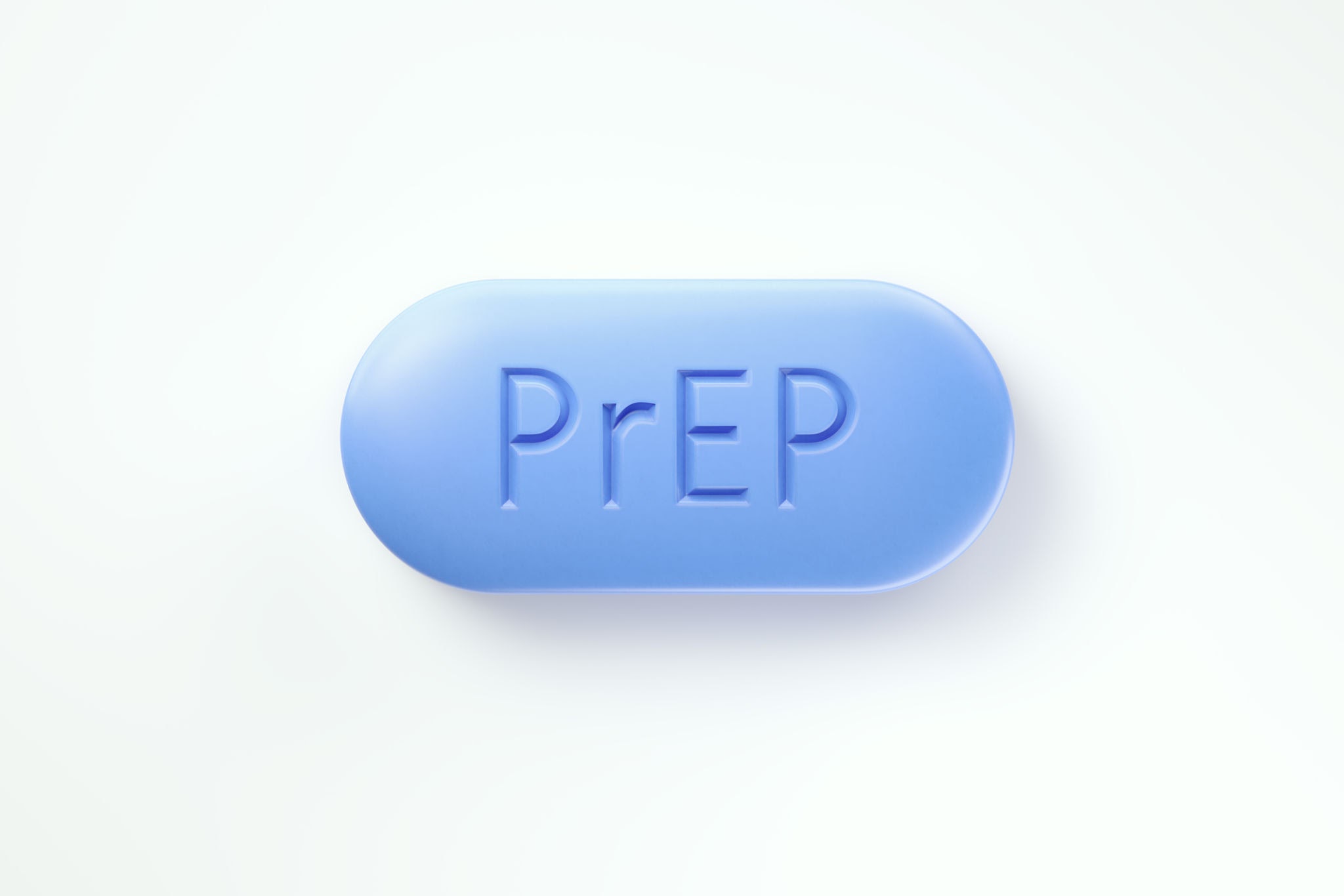
HIV prevention may gain a new option in the coming years: a PrEP pill that—if studies confirm its efficacy and safety—could be taken once a month. The technology is being evaluated in clinical trials involving the drug MK-8527, developed by MSD/Merck.
For infectious disease specialist **Álvaro Costa**, who is participating in the Merck study at the CRT (São Paulo State Reference and Training Center) Research Unit, this possibility represents a new stage in the evolution of PrEP, which has shifted from daily pills to long-acting alternatives, such as injectable formulations.
The study is being conducted in 16 countries and is expected to last three years. Until the results are available, the drug cannot yet be considered an approved PrEP option.
Next, Álvaro explains the benefits of monthly PrEP and assesses what the future of HIV prevention will look like.
Video: Monthly PrEP: New option under study
PrEP South America: What would change in practice if monthly PrEP proves effective?
Dr. Álvaro: A once-a-month oral drug truly shifts the paradigm. Currently, daily oral PrEP is available through the SUS, and we have been discussing the potential adoption of long-acting injectable technologies. However, a monthly oral option could offer users even greater freedom.
It would be an **alternative** for those who do not want to—or cannot—take daily medication or undergo periodic administrations. It would also **make monitoring easier** by creating a clear reference point for remembering the next dose. Another important point is that it could help people who feel uncomfortable carrying daily PrEP due to **HIV-related stigma.**
Another point is the importance of considering more personalized prevention. Instead of a single strategy, the future may offer different options tailored to each person's needs and preferences.
PrEP South America: Could monthly PrEP help expand access to HIV prevention?
Dr. Álvaro: It is possible, but developing a new technology isn't enough. Today, even though PrEP is effective and safe for various populations, access remains heavily concentrated among white gay men living in major urban centers.
Precisamos ampliar esse acesso para outras populações, incluindo mulheres, pessoas trans e pessoas que vivem em regiões onde a oferta ainda é limitada. Esse é um desafio não apenas do Brasil, mas também da América do Sul.
PrEP in South America: What questions do studies still need to answer before this PrEP can reach the population?
Dr. Álvaro: It is necessary to evaluate safety, efficacy, and adverse events, as well as people's ability to incorporate this technology into their routines. Then, other issues come into play—such as cost and effectiveness—which are fundamental when considering potential implementation.
A technology may be fantastic, but we need to know how much it will cost and how it can reach the people who need it.
PrEP South America: How do you envision the future of HIV prevention?
Dr. Álvaro: I see a future with a very broad range of possibilities. Oral PrEP remains, as do long-acting injectable technologies, and if the monthly pill yields positive results, it could join that lineup.
Ideally, there should be a genuine menu of prevention options, allowing individuals to choose—or even switch between—different technologies based on what works best for their lives.

 English
  Portuguese
  Spanish